
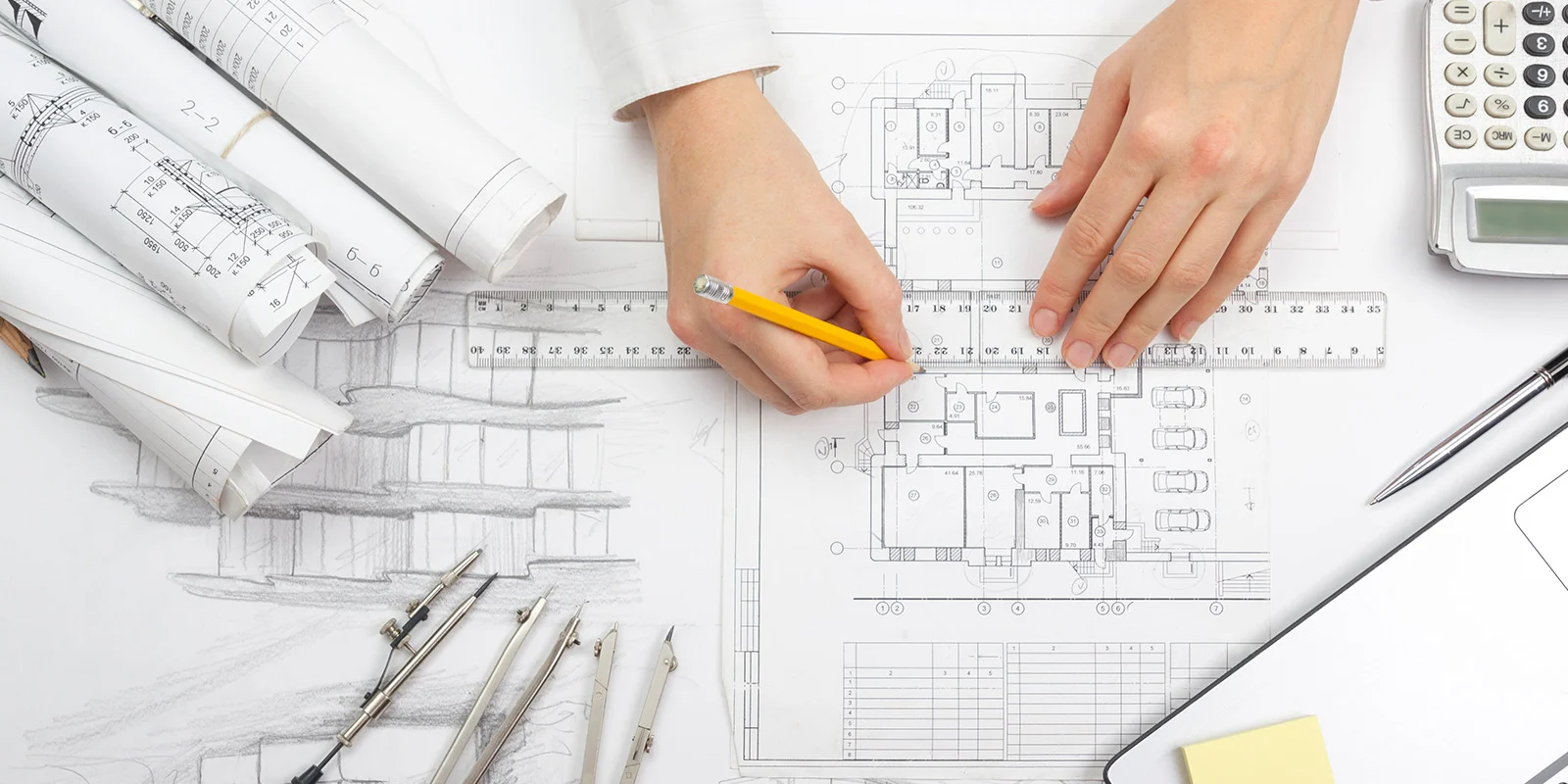
Space Planning
Space planning is a crucial aspect of interior design that involves organizing the layout and flow of a space to optimize functionality and aesthetics.
Here are some key steps and considerations for effective space planning:
1. Define the Purpose:
-
Identify Activities: Determine the primary activities that will take place in the space (e.g., living, dining, working). Understand Needs: Understand the needs and preferences of the occupants to tailor the design accordingly.
-
2. Measure and Assess the Space: Accurate Measurements: Take precise measurements of the room, including dimensions, windows, doors, and any architectural features. Assess Existing Conditions: Note the location of electrical outlets, plumbing, and heating/cooling vents.
-
3. Create a Floor Plan: Draw to Scale: Create a scaled floor plan on paper or using design software. Include Fixtures: Mark the placement of fixtures like windows, doors, and built-in furniture.
-
4. Furniture Layout: Function Zones: Divide the space into functional zones (e.g., seating area, dining area, workspace). Traffic Flow: Ensure there is enough space for people to move around comfortably without obstructing pathways. Furniture Placement: Place furniture pieces in a way that promotes usability and aesthetic appeal.
5. Optimize Space Utilization:
-
Multi-functional Furniture: Use furniture that serves multiple purposes (e.g., sofa beds, storage ottomans).
-
Lighting Layout: Plan the placement of different types of lighting (ambient, task, accent) to enhance functionality and ambiance. Vertical Space: Utilize vertical space with shelves, cabinets, and wall-mounted storage.
6. Balance and Proportion:
-
Scale of Furniture: Ensure furniture is appropriately sized for the room to avoid overcrowding or underutilization. Visual Balance: Create visual balance by evenly distributing furniture and decor throughout the space.
7. Lighting and Electrical Planning:
-
Electrical Outlets: Ensure easy access to electrical outlets for lamps, electronics, and other devices.
-
8. Flexibility and Adaptability:
-
Future Needs: Consider how the space might need to adapt over time and plan for flexibility. Modular Furniture: Use modular furniture that can be reconfigured easily to accommodate changes.